Can dogs eat raw meat? It is one of the most debated topics in dog nutrition, and the answer is not as straightforward as many owners assume. Raw feeding has become increasingly popular in recent years, with advocates claiming it mirrors a dog’s ancestral diet. If you are the owner of a working dog or a high-energy breed, you may have come across raw feeding communities online. However, there are real risks involved that every owner should understand before making any changes to their pet’s meals.
What Is a Raw Meat Diet for Dogs?
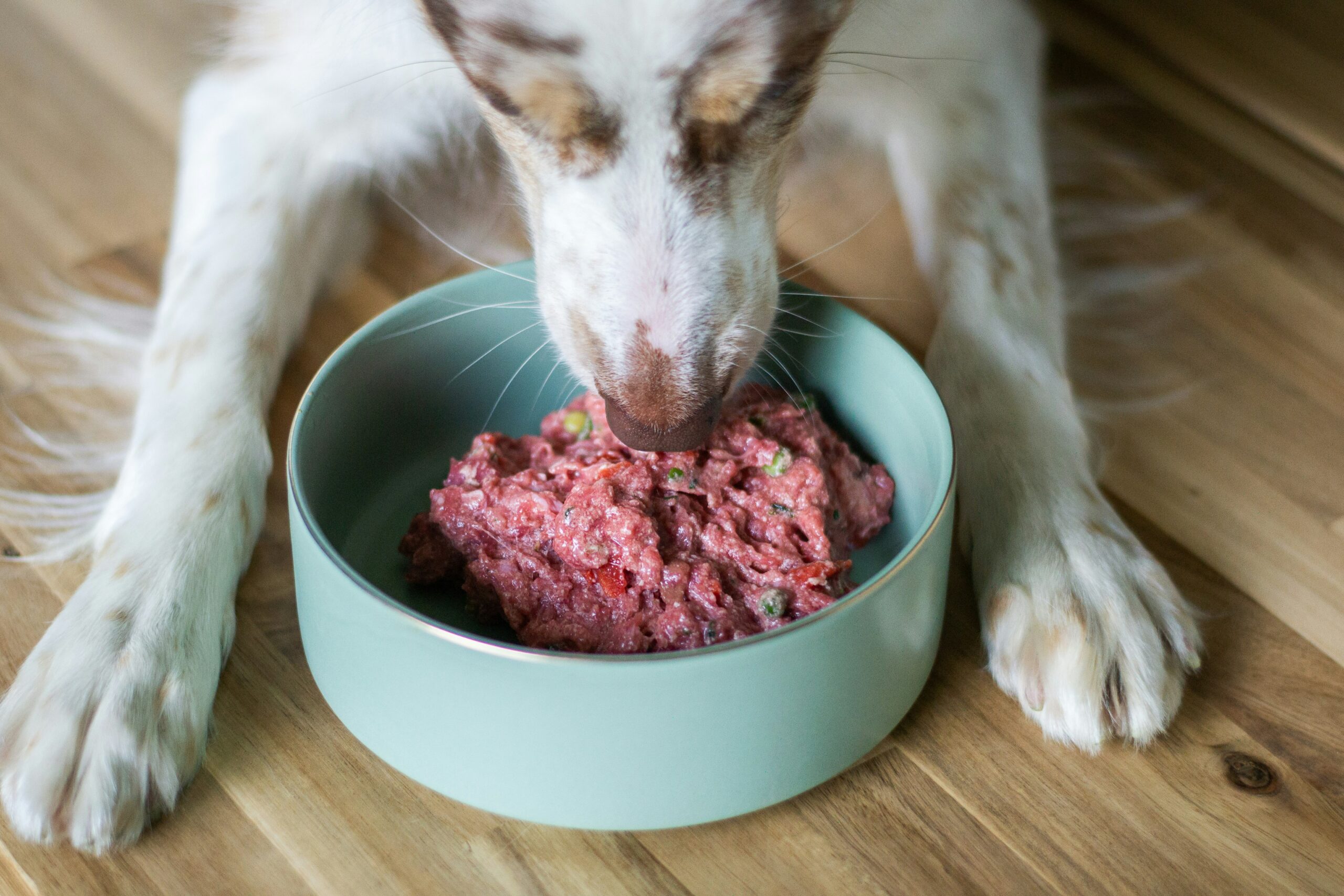
A raw meat diet, often referred to as a BARF diet (Biologically Appropriate Raw Food), typically includes uncooked muscle meat, organ meat, raw bones, and sometimes fruit and vegetables. Proponents argue that this closely replicates what dogs would have eaten before commercial pet food existed. While there is some logic to this, domestic dogs have evolved significantly from their wild ancestors, and their digestive systems are not identical.
Is Raw Meat Safe for Dogs?
Raw meat can carry harmful bacteria such as Salmonella, Listeria, and E. coli. While dogs do have more acidic stomachs than humans, which offers some protection, they are not entirely immune to these pathogens. Puppies, elderly dogs, and those with underlying health conditions are particularly at risk. There is also evidence that bacteria present in raw meat can be shed in a dog’s faeces, posing a risk to humans in the household, especially young children or immunocompromised individuals.
Raw bones, while sometimes included in raw feeding plans, also carry risks. Cooked bones are notoriously dangerous as they can splinter, but even raw bones can cause tooth fractures, choking, or internal blockages depending on the size and type of bone and the breed of dog.
Potential Benefits of Raw Feeding
Supporters of raw feeding often report improvements in coat condition, digestion, energy levels, and dental health. Traditionally, herding dogs such as Border Collies and Australian Shepherds have been fed raw diets on farms for generations. However, much of the evidence is anecdotal, and peer-reviewed research on the long-term benefits of raw feeding is still limited.
Risks to Be Aware Of
- Bacterial contamination from Salmonella, Listeria, and E. coli
- Nutritional imbalances if the diet is not properly planned
- Bone fragments causing internal injuries or blockages
- Parasites present in certain types of raw meat, particularly pork and fish
- Cross-contamination risk to humans in the household
Which Dogs Are Most at Risk?
Certain breeds and life stages carry a higher risk when it comes to raw feeding. Toy and small breeds may struggle to safely handle raw bones, while puppies and senior dogs have more vulnerable immune systems. Larger breeds such as the German Shepherd are often cited as doing well on raw diets, but this should always be discussed with a vet first. Similarly, Labradors are one of the most popular breeds in the UK and owners frequently ask about raw feeding for them — again, vet guidance is key.
What Do Vets Say About Raw Meat for Dogs?
Most veterinary bodies, including the British Veterinary Association, advise caution around raw feeding. They do not recommend it as a standard diet, particularly in households with young children, pregnant women, or anyone with a compromised immune system. If you are asking yourself ‘can dogs eat raw meat’, always speak to your vet first and consider working with a qualified canine nutritionist to make sure the diet is balanced.
Frequently Asked Questions
Can dogs eat raw chicken?
Raw chicken carries a risk of Salmonella and Campylobacter, so hygiene is critical if you choose to feed it. Many raw feeders use it as a staple, but vet guidance is recommended.
Can dogs eat raw beef?
Raw beef is generally considered lower risk than poultry and is often used in raw feeding plans. Minced beef and steak cuts are both common, though quality and sourcing matter greatly.
Can puppies eat raw meat?
Puppies have developing immune systems and are more susceptible to bacterial infection. Raw feeding in puppies is particularly risky and should only be considered under veterinary guidance.
Whatever you feed your dog, their health should always come first. Unexpected vet bills can arise from dietary issues, which is why having dog insurance in place matters. At Quote & Save, we can help you find affordable cover so you are always prepared.
Contact us today to get a quote.