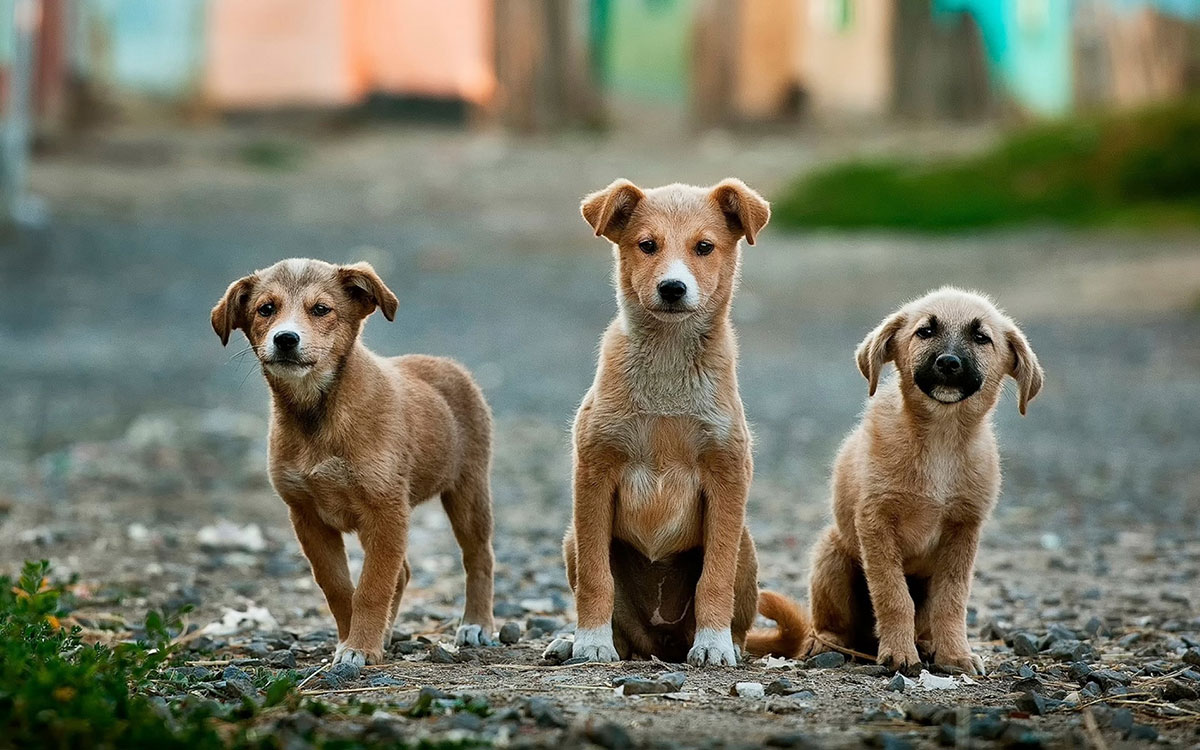
Non-sporting dogs insurance protects this collection of breeds that don’t quite fit into the traditional sporting, hound, or working groups. They are a diverse lot, often bred for companionship or specific purposes other than hunting or herding. Their personalities and appearances vary greatly, making them a captivating group of canine companions.
What are Non-Sporting Dogs?
The non-sporting group is a somewhat eclectic mix of breeds, often chosen for their suitability as house pets. They share a variety of traits, but generally, they are known for:
- Their adaptability to various living situations.
- Their diverse personalities, ranging from playful to calm.
- Their suitability as companions.
- Their varied sizes and appearances.
What is Sporting Dogs Insurance?
Non-sporting dogs insurance covers a varied group of breeds that do not fit neatly into working or sporting categories, including Bulldogs, Dalmatians, and Chow Chows. Many of these breeds have specific health considerations that make tailored cover worthwhile. Whether your dog is a beloved companion or a show dog, having the right policy means you are prepared for unexpected veterinary costs.
What are the Types of Non-Sporting Dogs?
The non-sporting group encompasses a wide range of breeds, each with its unique characteristics and history. Here are some of the most well-known types:
- Boston Terrier: Small, lively dogs with a distinctive “tuxedo” coat. They are known for their affectionate and playful nature.
- English Bulldog: Stocky and muscular, they are known for their gentle and laid-back temperament.
- Chow Chow: Recognizable by their thick coat and blue-black tongue, they are known for their independent and dignified nature.
- Dalmatian: Famous for their spotted coat, they are energetic and intelligent dogs.
- French Bulldog: Small, compact dogs with bat-like ears, they are known for their playful and affectionate nature.
- Lhasa Apso: Small, sturdy dogs with a long, flowing coat, they are known for their independent and loyal nature.
- Poodle (Standard, Miniature, and Toy): Known for their intelligence and hypoallergenic coat, they come in various sizes and are highly adaptable.
- Shih Tzu: Small, affectionate dogs with a long, flowing coat, they are known for their friendly and outgoing nature.
- Bichon Frise: Small, fluffy dogs with a cheerful and playful personality.
- Keeshond: Medium sized dogs with a thick double coat, and a very friendly disposition.
- Shar-Pei: Distinctive for their wrinkled skin, they are loyal and independent.
- American Eskimo: The American Eskimo Dog is a fluffy, white, Spitz-type breed with a lively personality, known for its intelligence, alertness, and affectionate nature.
These are just a few examples, and each breed brings its unique charm to the world of canine companions. Whether seeking a playful friend, a calm companion, or a unique personality, non-sporting dogs offer a diverse range of options for dog lovers.
Frequently Asked Questions
Is non-sporting dog insurance more expensive than standard dog insurance?
Non-sporting dog insurance can sometimes cost more than standard dog insurance, but this will usually depend on the individual breed, your dog’s age, medical history, postcode, and the level of cover you choose. Because the non-sporting group includes many very different breeds, premiums can vary widely depending on the specific health risks associated with your dog.
What does non-sporting dog insurance usually cover?
Most non-sporting dog insurance policies are designed to help with the cost of unexpected veterinary treatment. This can include cover for accidents, illnesses, consultations, diagnostic tests, surgery, medication, and hospital stays. Some policies may also include additional benefits such as dental treatment, complementary therapies, or third-party liability, depending on the provider and the policy selected.
Will non-sporting dog insurance cover breed-specific health conditions?
Some non-sporting dog insurance policies may cover breed-specific or hereditary health conditions, provided they are not classed as pre-existing before the policy begins. This can be especially important for breeds in the non-sporting group that may be more prone to breathing issues, skin conditions, joint problems, or eye concerns. It is always worth checking the exclusions and limits carefully.
When is the best time to take out non-sporting dog insurance?
The best time to take out non-sporting dog insurance is usually when your dog is young and healthy. Arranging cover early can help reduce the chance of future health issues being excluded as pre-existing conditions. Even younger dogs can experience accidents or unexpected illnesses, so taking out insurance sooner rather than later can provide helpful long-term peace of mind.
Can I choose my own vet with non-sporting dog insurance?
In many cases, you can choose your own vet when making a claim on a non-sporting dog insurance policy, although the exact process may vary by insurer. Some providers will ask you to pay for treatment first and then reclaim the money, while others may settle the claim directly with the veterinary practice. It is a good idea to check this before choosing cover.
Is lifetime non-sporting dog insurance a good option?
Lifetime non-sporting dog insurance can be a good option if you want ongoing cover for conditions that may need repeated treatment, monitoring, or medication over time. This can be particularly useful for breeds that are more likely to develop long-term health issues. Although lifetime cover may cost more, it can offer stronger protection and better long-term reassurance.