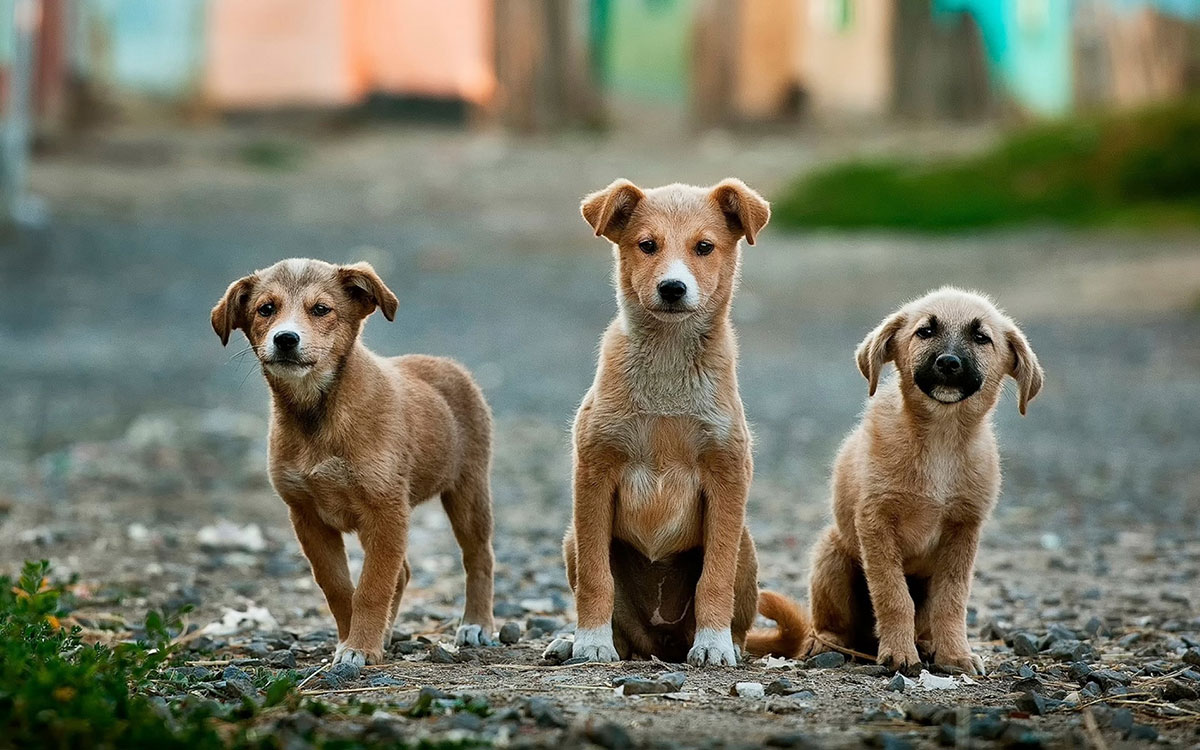
Working dogs are a group of breeds specifically bred for their ability to perform tasks that benefit humans. They are known for their intelligence, strength, trainability, and loyalty. These dogs are typically energetic, focused, and possess a strong work ethic. Working dogs insurance is essential if you want to protect your pet.
What are Working Dogs?
Working dogs are characterized by their:
- Intelligence and trainability.
- Strength and stamina.
- Ability to perform specific tasks.
- Loyalty and protective instincts.
- Strong work ethic.
What is Working Dogs Insurance?
Working dogs insurance is a specialist type of cover designed for dogs employed in an active role, such as farm dogs, herding dogs, security dogs, and search and rescue animals. Unlike standard pet insurance, it accounts for the higher-risk environments these animals work in and the financial value they bring.
What are the Types of Working Dogs?
The working group encompasses a diverse range of breeds, each with its unique characteristics and specialized roles. Here are some of the most well-known types:
- German Shepherd: Known for their intelligence and versatility, they are used in police work, military operations, search and rescue, and as service dogs.
- Siberian Husky: Bred for sled dog racing, they are known for their endurance and strength.
- Alaskan Malamute: Similar to Huskies, they are also bred for sled dog work and are known for their strength and stamina.
- Great Dane: Large and powerful, they were originally bred for hunting boar and are now often used as guard dogs.
- Rottweiler: Known for their strength and protective instincts, they are used in police work, guarding, and as service dogs.
- Doberman Pinscher: Intelligent and alert, they are used in police work, guarding, and as service dogs.
- Beagle: Originally bred as scent hounds to track game, they are sharp, determined, and always eager to follow their nose.
- Boxer: Energetic and playful, they are used in guarding and as service dogs.
- Bernese Mountain Dog: Large and gentle, they were originally bred for farm work and are now often used as therapy dogs.
- Saint Bernard: Large and powerful, they were bred for rescue work in the Swiss Alps.
- Great Pyrenees: Bred for guarding livestock, they are known for their protective instincts and gentle nature.
- Samoyed: The Samoyed is a large, fluffy white dog with a perpetual smile and a friendly, gentle, and energetic disposition.
- Schnauzer: With a distinct beard and wiry coat, this spirited, intelligent, and loyal breed comes in miniature, standard, and giant sizes.
These are just a few examples, and each breed brings its unique strengths and abilities to the working dog group. Whether guarding, rescuing, or assisting, working dogs play vital roles in various aspects of human life. Getting working dogs insurance is the next step in looking after your pet.
Frequently Asked Questions
Is working dogs insurance more expensive than standard dog insurance?
Working dogs insurance can sometimes be more expensive than standard dog insurance because working dogs are often more active and may face higher risks in their day-to-day roles. The cost will usually depend on your dog’s breed, age, medical history, working duties, location, and the level of cover you choose, so premiums can vary significantly between policies.
What does working dogs insurance usually cover?
Most working dogs insurance policies are designed to help with the cost of unexpected veterinary treatment. This can include cover for accidents, illnesses, diagnostic tests, surgery, medication, and hospital stays. Depending on the policy, it may also include third-party liability or other extras. It is always important to check the policy wording carefully to understand exactly what is included.
Will working dogs insurance cover injuries caused while the dog is working?
Some working dogs insurance policies may cover injuries or illnesses that happen while the dog is carrying out its working role, but this will depend on the insurer and the specific terms of the policy. Standard pet insurance may not always provide this level of protection, so it is important to choose cover that reflects your dog’s duties and working environment.
When is the best time to take out working dogs insurance?
The best time to take out working dogs insurance is usually when your dog is young, healthy, and before any medical issues have developed. Taking out cover early can reduce the chance of future conditions being treated as pre-existing and excluded from claims. Early cover can also provide reassurance if your dog starts working in a higher-risk environment.
Can I choose my own vet with working dogs insurance?
In many cases, you can choose your own vet with a working dogs insurance policy, although the way claims are handled may vary depending on the provider. Some insurers will ask you to pay for treatment first and then reclaim the cost, while others may deal directly with your veterinary practice. It is always worth confirming this before arranging cover.
Is lifetime working dogs insurance a good option?
Lifetime working dogs insurance can be a strong option if you want long-term protection for conditions that may need ongoing treatment, regular medication, or repeat monitoring. This can be especially useful for active dogs that may develop chronic joint issues or recurring injuries over time. Although premiums may be higher, the continued cover can offer valuable long-term peace of mind.