Herding dogs insurance is imperative if you want to protect this fascinating group of canines, bred and trained for their incredible ability to control and move livestock. Their intelligence, agility, and strong work ethic make them invaluable partners to farmers and ranchers around the world. Beyond their working roles, they also make devoted and energetic companions.
What are Herding Dogs?
Herding dogs are a group of breeds specifically developed to manage livestock, such as sheep, cattle, and even ducks. They possess a natural instinct to gather, drive, and control animals. This instinct is paired with a high level of trainability, allowing them to respond to complex commands and adapt to various herding situations.
These dogs are renowned for their:
- Intelligence: They quickly learn and understand commands.
- Agility: They are nimble and can move swiftly and efficiently.
- Endurance: They can work for long periods, covering vast distances.
- Strong Work Ethic: They are driven and dedicated to their tasks.
- “Eye”: Many herding breeds use a focused gaze to control livestock.
What is Herding Dogs Insurance?
Herding dogs insurance is a specialist type of cover designed for breeds that work actively in herding livestock, such as Border Collies, Australian Shepherds, and Welsh Corgis. These dogs operate in demanding physical environments, making them more prone to certain injuries and health conditions than the average pet. Having the right insurance means you can protect your dog without worrying about the cost of unexpected vet bills.
What are the Types of Herding Dogs?
The herding group encompasses a diverse range of breeds, each with its unique characteristics and herding style. Here are some of the most well-known types:
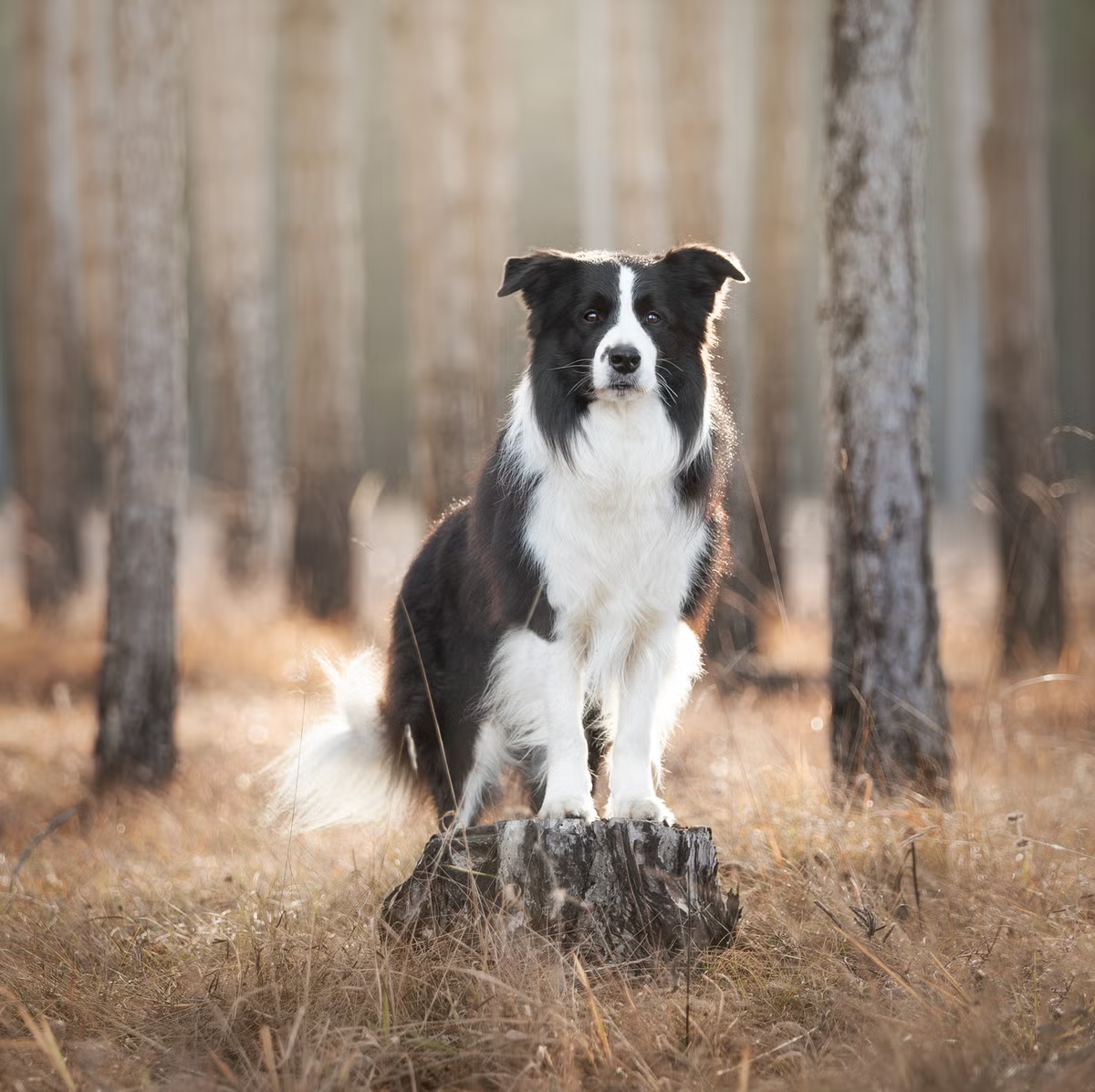
- Border Collie: Perhaps the most iconic herding breed, known for its intense “eye” and exceptional intelligence. They excel at herding sheep and are often used in competitive herding trials.
- Australian Shepherd: A versatile breed capable of herding various livestock. They are known for their stamina, agility, and loyalty.
- Australian Cattle Dog: Bred for herding cattle in the harsh Australian outback, they are tough, resilient, and possess a strong work drive.
- Welsh Corgi (Pembroke and Cardigan): Surprisingly, these small dogs are excellent herders, particularly of cattle. They are known for their “heeling” technique, where they nip at the heels of livestock to move them.
- German Shepherd: While often associated with police and military work, German Shepherds were originally bred for herding sheep. They are intelligent, trainable, and versatile.
- Old English Sheepdog: Recognisable by their shaggy coat, they are gentle and adaptable herders, often used for driving livestock.
- Bearded Collie: Lively and enthusiastic herders, with a distinctive shaggy coat and friendly disposition.
- Shetland Sheepdog (Sheltie): Smaller than the Border Collie, they are agile and intelligent herders, often used for sheep and smaller livestock.
- Briard: A large, powerful breed developed in France for herding and guarding livestock.
- Belgian Malinois: Like the German Shepherd these dogs are very versatile, and are used in many working roles, herding being one of them.
These are just a few examples, and each breed brings its unique strengths to the herding world. Whether working on a farm, competing in trials, or simply enjoying an active lifestyle, herding dogs are truly remarkable companions. With herding dogs insurance you can ensure that your pet is covered.
Frequently Asked Questions
Is herding dog insurance more expensive than standard dog insurance?
Herding dog insurance can sometimes cost more than standard dog insurance because many herding breeds are highly active and may be more exposed to injuries, strains, and accidents. The premium will usually depend on factors such as your dog’s breed, age, health history, location, and whether they are a working dog or a family companion.
What does herding dog insurance usually cover?
Most herding dog insurance policies are designed to help with the cost of unexpected veterinary treatment. This can include cover for accidents, illnesses, diagnostic tests, surgery, medication, and hospital stays. Some policies may also offer additional benefits such as third-party liability, dental treatment, or complementary therapies, depending on the provider and level of cover you choose.
Will herding dog insurance cover breed-related health conditions?
Some herding dog insurance policies may cover breed-related conditions, provided they are not classed as pre-existing before the policy begins. Depending on the breed, this could include joint issues, eye conditions, or other hereditary concerns. Because cover varies between insurers, it is important to check the exclusions, limits, and policy wording carefully before taking out insurance.
When is the best time to take out herding dog insurance?
The best time to take out herding dog insurance is usually when your dog is young and healthy. Arranging cover early can help reduce the chance of future medical problems being excluded as pre-existing conditions. Even younger herding dogs can suffer injuries or illnesses, especially if they lead an active lifestyle, so early cover can provide valuable peace of mind.
Can I choose my own vet with herding dog insurance?
In many cases, you can choose your own vet with a herding dog insurance policy, although the exact process may vary depending on the insurer. Some providers ask you to pay for treatment first and then claim the money back, while others may work directly with your veterinary practice. It is always worth checking this before choosing a policy.
Is lifetime herding dog insurance a good option?
Lifetime herding dog insurance can be a good option if you want long-term protection for ongoing or recurring conditions. Active breeds may be more likely to need repeat treatment, monitoring, or medication over time, particularly as they age. Although lifetime policies can cost more, they often provide greater reassurance and more comprehensive cover in the long run.